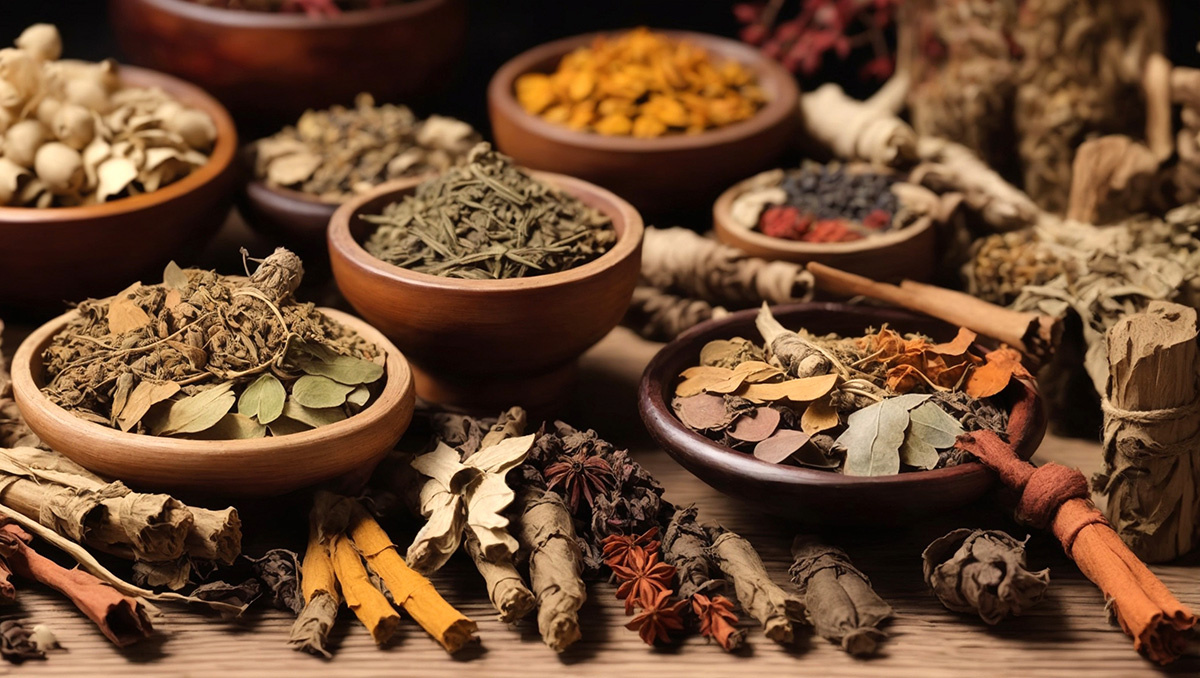
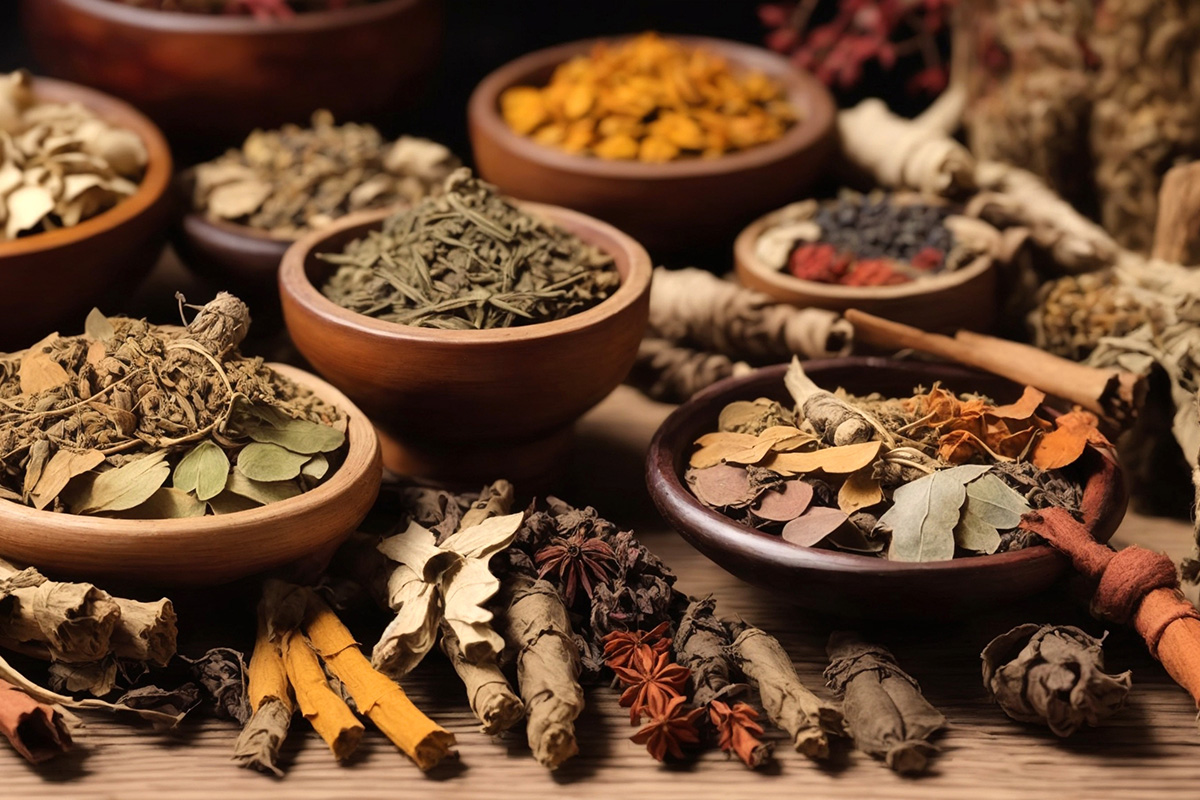
Herbal medicine is alive and well. It’s no secret that despite being an ancient practice, people are still turning to herbal remedies to treat a number of conditions. Whether it’s ginger to calm an upset stomach, gingko for improved brain health or black cohosh to tame hot flashes, herbs have become a part of modern life.
People turn to herbal medicine for several reasons. Because herbs are considered natural, some may perceive them to be gentler and have fewer side effects than prescription drugs. They may equate the fact that they are usually plant based with being safer than drugs. Or people may choose herbal remedies because they’re convenient and can be found in your local grocery store or pharmacy.
That said, along with acupuncture, the use of herbs has been a cornerstone of Chinese medicine for thousands of years. However, Chinese herbal therapy is different than choosing what you think you need from the grocery store shelf. Here are some important things to know about the therapeutic use of Chinese herbs:
- Chinese herbs aren’t always plants. Wait, what? It’s true, in the Chinese formulary, herbs can be animal vegetable, or mineral. It’s reassuring to know that most Chinese herbs are actually plants, including the flowers, fruit, nuts, roots, leaves, stems, branches from plants. But in addition to plant-based herbs, some are minerals, such as iron or calcium. Less commonly, some herbs, such as turtle shell, insects and parts of deer antlers are also used in herbal medicine. In the past, a few herbs came from endangered animals, or their use caused some animals to become endangered. Now, the use of these substances has been outlawed, with herbal manufacturers finding good substitutions.
- Herbs are not a one size fits all practice. Your acupuncturist or herbalist will prescribe herbs for you based on a clear diagnosis—not just symptoms. That’s because your signs and symptoms direct your practitioner to the underlying cause of your problem, something called a pattern or imbalance. For example, if you were seeking out herbs for sleeplessness, your practitioner would first want to know things like if you’re having problems getting to sleep or staying asleep. They’d ask if hot flashes or anxiety were waking you up, and want to know if you were depleted, stressed or overworking—in addition to your overall health. Only after identifying what’s at the heart of your sleeplessness, could they prescribe an herbal formula.
- In most cases herbs are combined into a formula of several herbs that best suits your needs. That’s because it’s rare that a single herb has all the properties, temperature and actions to completely address your imbalance. Sometimes, herbs are added to a formula to address other symptoms or complicating factors.
- The herbs you take are carefully processed in order to be safe and effective. This preparation is called Pao Zhi, and it is done by people who are specially trained to do so. Depending on the therapeutic action needed and the specific herb, a substance might be roasted, boiled, charred, cooked in wine or honey, or fermented. The point behind Pao Zhi is to ensure an herb is effective, as well as to neutralize any possible toxic effects.
- There are a number of ways that you can consume Chinese herbs. Traditionally, raw herbs were boiled into a tea. However today, herbs may also be powdered and dissolved in water, or they can be made into small pills, capsules, tablets or a tincture. While herbs that have been boiled or powdered are usually most effective; pills, capsules or tablets are most convenient.
- A common myth is that because herbs are natural, they aren’t very strong—equating this with safety. The reality is that herbs can have strong actions, and should be taken with the guidance of someone well-trained in Chinese herbal medicine. There are a number of instances in which people have been harmed by taking the wrong herbs, taking herbs for too long, or taking too high of a dose.
- If you think that herbal medicine is a little too alternative and quirky, you should know that a number of prescription medications today have come from Chinese herbs. For example, aspirin comes from willow bark, senna is the basis for a powerful laxative, and the herb artemesia is the foundation for a common antimalarial medicine—all herbs in the ancient Chinese formulary.
- It is rare, but possible for your herbs and medications to interact. For example, an herb may make your medication less or more potent, or by aggravating a secondary health problem. A common example, is that herbs can reduce the effects of coumadin (a blood thinner), ginseng may aggravate high blood pressure, and St. John’s wort has the ability to interact with a number of medications, especially antidepressants. Again, this is a good reason to work with a trained herbal practitioner.
The bottom line is that Chinese herbal therapy is an effective and safe way to enhance and extend acupuncture treatments. Both acupuncture and herbs target your diagnosis, and only serve to augment each other. While acupuncture and herbs can work independently of each other, the two together work to speed the healing process.
Cindy Chamberlain is an acupuncturist in Overland Park, KS and the founder of Eastern Healing Solutions, LLC. She is licensed in Kansas and Missouri and has been practicing traditional Chinese medicine since 1996.