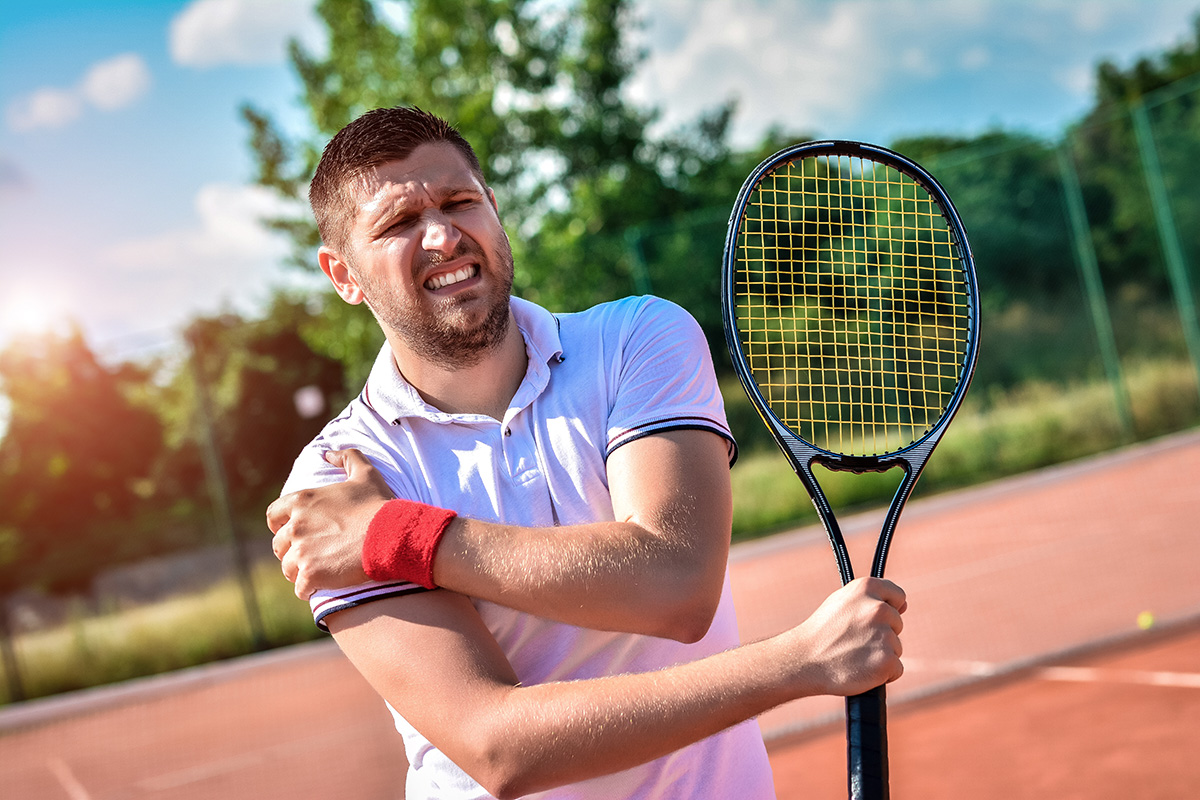
Did you know that’s there’s such a thing as sports acupuncture? It’s an area of focus for many acupuncturists, and it can be to your benefit if you’ve just sprained your ankle on the tennis court, pulled a hamstring muscle while lifting weights, or have a running overuse injury.
You may not know it, but acupuncturists often have different areas of interest or expertise, which can play a role in the methods and acupuncture styles they use in their treatments. It’s a little bit like music; artists may play jazz, classical or rock. They may sing, play an instrument, compose music or do all of those things. This is also true for acupuncturists, and when they choose to treat people with athletic injuries, they use the methods that work best for those circumstances. In their treatments, they may use:
- Something called trigger point acupuncture. Sometimes called an ashi or motor point, a trigger point is a tender or painful spot, usually found in a tight, strained or sore muscle. If you’ve ever poked around your sore back or shoulder and found a spot that feels like it’s ground zero for your pain, you’ve located a trigger point. Releasing these sore points are the basis for trigger point acupuncture. Essentially, your practitioner will insert a needle or two into that cranky spot to release the tension and alleviate your pain.
- Meridian style acupuncture. This is traditional acupuncture, in which your pain or injury is related to one or more of the twelve energetic pathways, called meridians, that run throughout your body. Meridian style acupuncture begins by determining which pathway(s) are involved in your symptoms and then providing relief by needling specific points along those pathways.
- For injuries related to your back, your acupuncture may use a series of points called the Hua Tuo points. These are acupuncture points, also called huatuojiaji points, that are located on either side of your spine. Using these points can be especially effective for relieving pain and treating back injuries.
- Tendinomuscular acupuncture, which is the use of a system of points that generally follows the twelve meridians. The difference is that these tendinomuscular pathways pass through the depressions and spaces between your muscles and tendons. They tend to be more superficial and broader than the original meridians. This style is similar to meridian style acupuncture, but is focused on treating injuries to connective and soft tissue, such as overuse injuries and tendonitis.
Treatments
While your acupuncturist may begin treating your sports injury through acupuncture, they may also use a number of other therapies that are well-suited for treating pain, promoting healing and supporting rehab.
-Acupuncture is often the first line of treatment, as it works to reduce pain, decrease inflammation and promote circulation of blood and nutrients important to the healing process. In some instances, they may add gentle and painless electrical stimulation to the needles, usually through a small handheld or desktop device. Doing so can amplify the pain relief effects and promote faster healing.
-Cupping is an ancient therapy, but today it has gained the interest of many elite athletes. Cupping involves using one or more cups in which a vacuum has been created. The cups are placed on your skin, usually over the injured area. A vacuum can be created by pulling the air out with a pump/gasket system, squeezing the air out of soft cups, or by briefly putting a small flame in a glass cup to use up the air and then quickly put on the injured area. (This may sound scary, but the flame is removed before anything heats up, and nobody gets burned.) Cupping is a little bit like a massage in reverse, in which your skin and muscles are pulled rather than pushed and compressed. Cupping may leave a mark due to tiny broken capillaries, but this creates a microtrauma that encourages your body to promote the healing process in that area.
-Gua Sha is similar to cupping in that it creates a kind of microtrauma. This is a therapy that involves gently scraping the skin and underlying tissues with a dull edged tool. Many physical therapists use a therapy, called the Graston Technique, which is similar to Gua Sha. Both Gua Sha and Graston help to increase mobility in soft and connective tissues, increase blood flow and reduce scar tissue.
-Chinese herbal medicine is often used to augment other treatments, and sports-related injuries are no exception. Herbs with specific healing properties are prescribed and combined into a formula, based on your specific needs. Herbal medicine can be used to help relieve pain, promote circulation, reduce swelling and decrease inflammation; all of which promote and speed healing.
–Heat therapy may be used as a way to loosen tight or spastic muscles, as well as to increase circulation in an injured area. Traditionally acupuncture practitioners provided heat by burning herbs that were tightly rolled into a long stick and holding it near the treatment area. However, many acupuncturists have turned to the ease of using far infrared heat lamps, which provide gentle heat that penetrates deep into your injured tissues.
Most people who live an active lifestyle will at some point experience a sports-related injury. When that happens it’s good to know that acupuncture and related treatments can provide you with a safe, effective and drug-free way to reduce your pain, heal faster and get back to the active life that you enjoy. If you’d like more information, give our clinic a call.
Cindy Chamberlain is an acupuncturist in Overland Park, KS and the founder of Eastern Healing Solutions, LLC. She is licensed in Kansas and Missouri and has been practicing traditional Chinese medicine since 1996.