
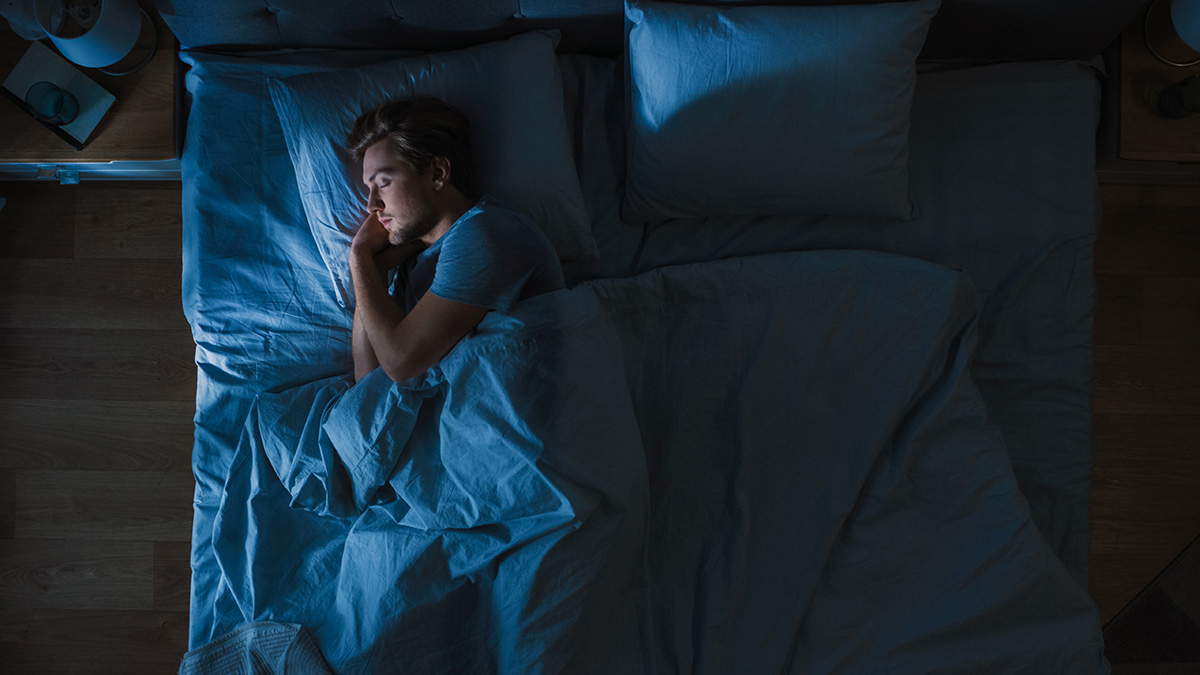
Most people measure sleep by one simple number: how many hours they were in bed. While total sleep time is important, it does not tell the full story. Two people may both sleep for eight hours, yet one wakes refreshed while the other feels foggy, stiff, and exhausted. The difference often lies in sleep architecture.
Sleep architecture refers to the structure and pattern of sleep cycles throughout the night. Rather than being a single continuous state, sleep moves through repeating stages that serve different physiological purposes. A typical cycle lasts about 90 minutes and includes both non-rapid eye movement (NREM) sleep and rapid eye movement (REM) sleep.
NREM sleep includes three stages:
Stage 1, a light transitional sleep
Stage 2, deeper but still relatively light sleep
Stage 3, also called slow-wave or deep sleep
Stage 3 deep sleep is particularly important for physical restoration. During this phase, growth hormone is released, tissue repair increases, immune activity is regulated, and inflammation is modulated. Blood pressure and heart rate decrease, allowing the cardiovascular system to recover.
REM sleep, which typically increases in duration later in the night, plays a key role in cognitive function. It supports memory consolidation, emotional processing, and neurological integration.
A healthy night of sleep includes multiple full cycles, with adequate deep sleep early in the night and sufficient REM sleep toward morning. When this architecture becomes fragmented, restorative processes suffer—even if total sleep time appears adequate.
Several factors can disrupt sleep architecture:
- Chronic stress
- Late-night screen exposure
- Irregular sleep schedules
- Alcohol consumption
- Chronic pain
- Inflammation
- Hormonal fluctuations
One common pattern involves difficulty entering or sustaining deep sleep. Individuals may fall asleep quickly but wake feeling unrefreshed. Others may experience frequent micro-awakenings that they do not fully remember, yet these interruptions prevent full progression into restorative stages.
Stress plays a major role in sleep disruption. Elevated sympathetic nervous system activity can prevent the body from fully transitioning into parasympathetic dominance during the night. Cortisol rhythms may also shift, with levels remaining elevated when they should naturally decline. This can result in light, restless sleep or early morning waking.
Inflammation is another important factor. Research has shown that inflammatory cytokines influence sleep regulation. When inflammation is elevated, sleep may become fragmented, and deep sleep duration may decrease. This creates a feedback loop: poor sleep increases inflammation, and increased inflammation further impairs sleep.
Over time, disrupted sleep architecture can contribute to:
- Increased pain sensitivity
- Reduced immune resilience
- Impaired glucose regulation
- Mood instability
- Slower tissue repair
- Cognitive fog
Improving sleep quality requires more than simply increasing time in bed. Strategies that may support healthy sleep architecture include:
- Maintaining consistent sleep and wake times
- Limiting screen exposure at least one hour before bed
- Keeping the bedroom cool and dark
- Avoiding heavy meals and alcohol late in the evening
- Engaging in calming evening routines
Addressing stress physiology during the day is equally important. When sympathetic activation remains elevated throughout waking hours, the nervous system may struggle to shift into restorative mode at night.
How Acupuncture May Help
Acupuncture has been studied for its effects on sleep regulation and nervous system balance. Clinical research suggests that acupuncture may help increase parasympathetic activity, reduce stress-related arousal, and influence neurotransmitters involved in sleep regulation, including serotonin and gamma-aminobutyric acid (GABA).
By calming muscle tension, reducing inflammatory signaling, and supporting autonomic balance, acupuncture may improve both the ability to fall asleep and the depth of restorative sleep stages. Many patients report not only sleeping longer, but waking feeling more refreshed and mentally clear.
In clinical practice, acupuncture treatment plans for sleep concerns are often individualized. They may also include lifestyle guidance designed to support circadian rhythm alignment and reduce nighttime arousal.
If you are getting what seems like “enough” sleep but still waking unrefreshed, sleep architecture – not just sleep duration – may be contributing. Supporting the body’s natural sleep cycles can improve energy, mood, recovery, and overall resilience.
If you would like to explore how acupuncture may support healthier sleep patterns, contact our clinic to learn more about treatment options.
Cindy Chamberlain is an acupuncturist in Overland Park, KS and the founder of Eastern Healing Solutions, LLC. She is licensed in Kansas and Missouri and has been practicing traditional Chinese medicine since 1996.